Bookkeeping Without the Headache: How BizCore Keeps Your Accounts Balanced Automatically

Why Month-End Is So Painful
For many small businesses, accounting happens once a month — or once a year — when someone collects the notebooks, receipts and bank statements and tries to make them agree. It is slow, expensive and usually late. By the time you see your profit for March, it is already May.
The problem is not your accountant. It is that the information was never recorded in a way accounting can use.
Bookkeeping That Happens as You Work
BizCore includes a full double-entry general ledger that fills itself. Every business event posts its own journal entry automatically, at the moment it happens:
- A cash sale increases cash and sales revenue, reduces inventory and records the cost of goods sold.
- A credit sale increases what the customer owes you instead of cash.
- A supplier delivery increases inventory and what you owe the supplier.
- An expense is posted to its expense category and to the cash or bank account it was paid from.
- A payment received or made updates the right bank or cash account.
Nobody needs to know accounting to make this happen. Staff just sell, buy and record expenses as usual.
Financial Statements on Demand
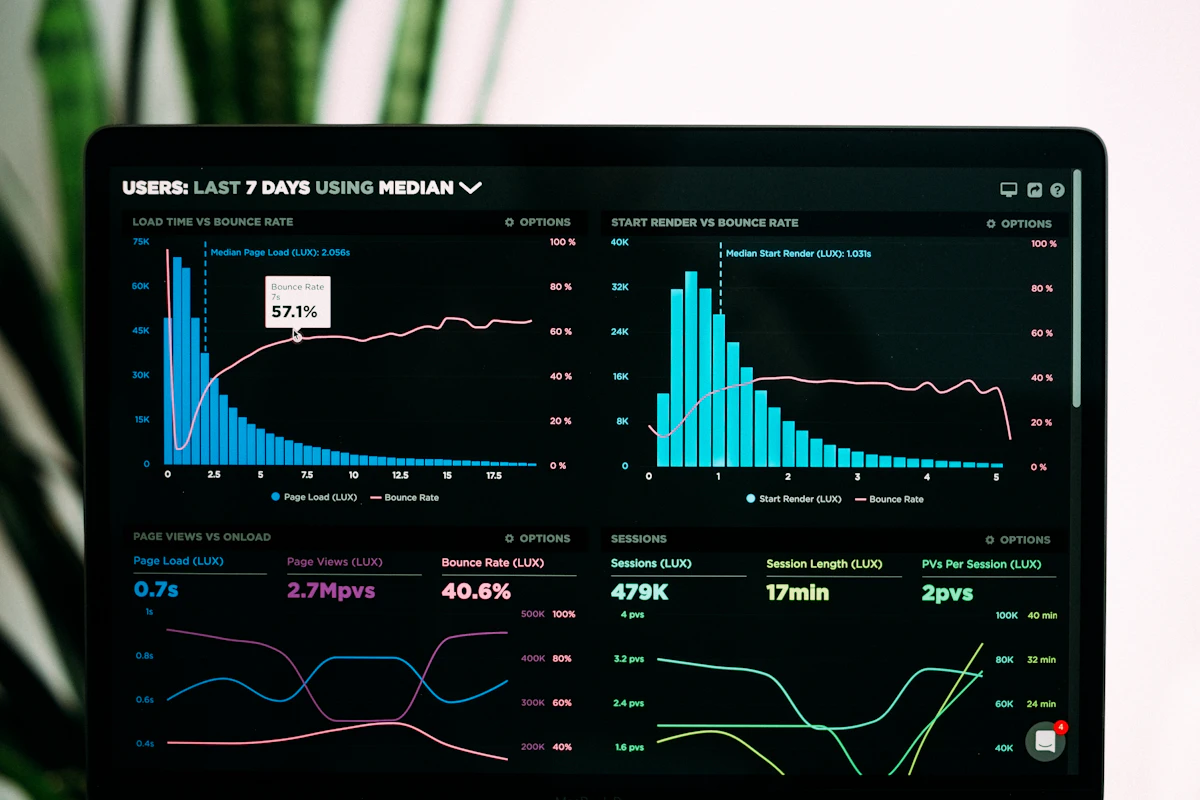
Because the ledger is always current, your financial statements are too. Open BizCore at any time and see:
- Profit and loss for any period.
- Balance sheet showing what the business owns and owes.
- Cash flow — where cash came from and where it went.
- Trial balance, plus receivables and payables ageing.
Customer and supplier statements come straight from the same ledger, so they always agree with your accounts.
Accurate Cost, Accurate Profit
BizCore values stock using weighted-average cost. When you buy the same item at a different price, its average cost updates, and every later sale records cost of goods at that average. Your gross profit therefore reflects your real buying prices — not an old cost price someone typed in months ago.
Expenses With Approval
Expenses can be recorded by staff and, if you turn approval on, wait for a manager to approve them before they are paid. Every expense is tied to a category, a store and a bank or cash account, so you can see exactly what each branch is spending and on what.
Bank Reconciliation and Year-End
Match your bank statement against BizCore's bank account records line by line to confirm they agree — and catch missing or duplicate entries quickly. At year-end, close the year so the profit moves to retained earnings, and lock the books so last year's figures cannot be changed by accident.
What This Means for Your Accountant
Your accountant stops rebuilding your books and starts reviewing them. Give them their own accountant role in BizCore: they can see the ledger, reports and statements, post manual journal entries where needed and export everything to Excel or PDF — without being able to sell stock or change prices.
Better Decisions, Every Month
When you know your real profit every week, you can act early: drop a product that is not earning, renegotiate with a supplier whose prices crept up, or cut an expense before it becomes a habit. That is the true value of good bookkeeping — not compliance, but control.
Start using BizCore free and let your books keep themselves. Want to see the plans first? View BizCore pricing.
Frequently Asked Questions
Do I still need an accountant if I use BizCore?
An accountant is still valuable for tax, advice and review. BizCore removes the routine bookkeeping, so your accountant spends their time checking and advising instead of re-entering data.
What is double-entry bookkeeping?
Every transaction is recorded in at least two accounts so the books always balance — for example, a cash sale increases cash and increases sales revenue. BizCore does this automatically for every sale, purchase, expense and payment.
How does BizCore value my stock?
BizCore uses weighted-average cost. Each time you buy an item at a new price, its average cost is updated, and every later sale records the cost of goods at that average.